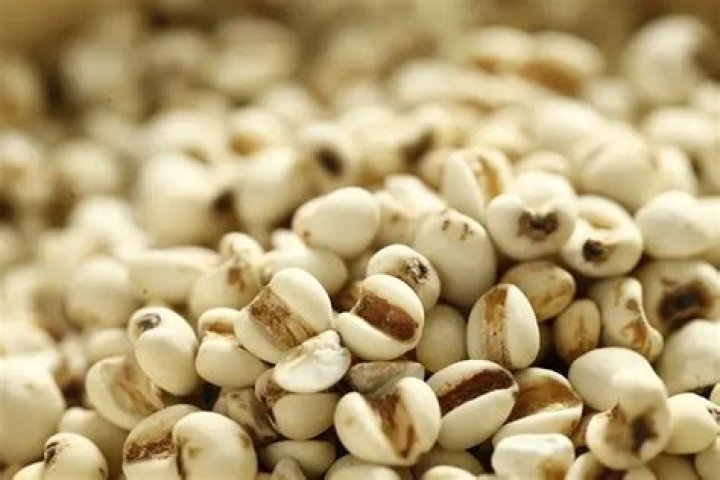
Barley is a whole grain that comes from the grass family. The barley grain is a seed from grass that is dried and processed. Evidence shows that people have eaten and drank foods made from barley since 8000 BC.¹ This whole grain is rich in fiber, beta-glucan, and antioxidants.
With more than 144 million tons produced in 2014, barley is the fourth most-produced grain worldwide, following corn, rice, and wheat.²
This article will explore how barley may impact blood sugar levels and the health benefits that could be gained from including this natural sweetener in meals.
Get more information about weight loss, glucose monitors, and living a healthier life
Thank you! Your submission has been received!
Oops! Something went wrong while submitting the form.
Glycemic Index Table
Barley is considered a low glycemic index food due to its high dietary fiber content, which allows this grain to be digested slowly by the body. The carbohydrates in barley are absorbed and converted into glucose gradually, which helps maintain energy without raising blood glucose levels rapidly.
Several different barley types are available, but all have a low glycemic index rating. Varieties include:
- Hulless (hulled) barley
- Processed or pearled barley
- Barley kernels
- Rolled barley flakes
- Cracked barley
The lowest glycemic index variety is found in whole-grain, hulled barley.
The below glycemic index and glycemic load data are for 100g of whole-grain, raw barley, which equals approximately ½ cup:³ ⁴
Glycemic Index
Serving Size
Carbohydrate* per Serving (g)
GL per Serving
Nutritional Facts
Barley is packed with nutrients. However, it doubles in size when cooked, so be mindful when reading nutrition labels and measuring portion sizes.
The below nutritional information is for 100g of hulled, raw barley, which is equal to approximately ½ cup.⁴
Calories
Carbs
Protein
Fiber
Cholesterol
Vitamins
A (62.36 µg), B12 (0.04 µg), B6 (0.11 mg), C (12.68 mg), D (1.51 IU).
Sodium
Total Fat
Is Barley Good for Weight Loss?
Because it is packed with fiber, barley helps reduce hunger and increases feelings of satiety, which may lead to weight loss over time. These impacts occur because barley contains beta-glucan, a soluble fiber. This type of fiber forms a gel-like substance in the gut that slows digestion, curbs appetite, and promotes fullness.¹³ ¹⁴
A review of 44 studies found that soluble fiber, such as beta-glucan, are the most effective type of fiber for reducing appetite and food take, which can support weight loss goals.¹⁵ Also, a study from 2015 found that participants who ate at least 30g of fiber per day experienced a sustainable weight loss averaging around two kilograms per year.¹⁶
It’s best to spread out your fiber intake throughout your day. Ideally, both soluble and insoluble should be included in every meal (if possible). Consuming a large amount of fiber in one sitting can lead to gastrointestinal discomfort. Assuming you eat three times a day, you should aim to have approximately ten grams of fiber at each meal.
Is Barley Safe for People Living with Diabetes?
With a low glycemic index and glycemic load rating, barely is an ideal carbohydrate choice for those living with diabetes. People living with type 2 diabetes may suffer from a magnesium deficiency, a condition that is also related to the onset of type 2 diabetes and metabolic syndrome.¹¹ Barley is packed with magnesium and provides 133 mg of this mineral per ½ cup serving of raw, hulled barley.
Additionally, barley is rich in beta-glucan, a soluble fiber that helps with digestion. A research study shows that high beta-glucan in barley may help regulate post-meal hyperglycemia in those living with type 2 diabetes.¹²
Get more information about weight loss, glucose monitors, and living a healthier life
Thank you! Your submission has been received!
Oops! Something went wrong while submitting the form.
Allergies
Barley is not considered gluten-free, so those who are allergic to wheat or gluten or have celiac disease or gluten intolerance, should avoid consuming barley.
Symptoms of an allergic reaction to barley include skin reactions, gastrointestinal symptoms, respiratory problems, and in extreme cases, anaphylaxis.
If you suspect an allergy, sensitivity, or intolerance to barley, please consult a healthcare professional.
No items found.