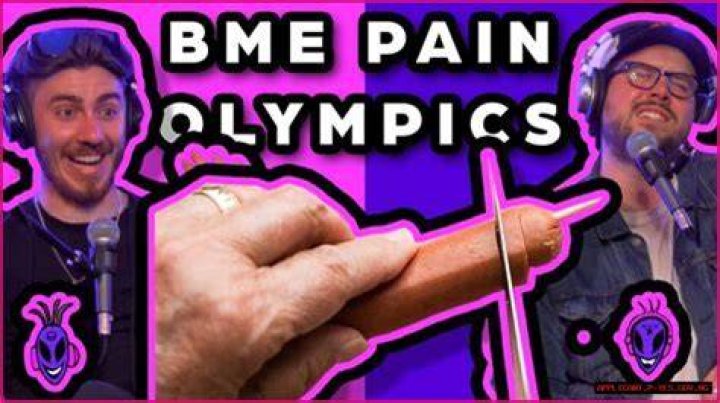
In the vast landscape of online videos, some gain notoriety for their extreme and controversial content. One such video that has garnered attention is the “BME Pain Olympics” YouTube original. This article delves into the dark history and shocking nature of this video, its impact on viewers, and the ensuing controversies. Brace yourself as we explore the depths of this disturbing online phenomenon.
Understanding the BME Pain Olympics
The BME Pain Olympics is an infamous video that gained notoriety for its extreme content. It showcases individuals willingly subjecting themselves to graphic and self-inflicted bodily harm. The video’s origins can be traced back to the early 2000s when it surfaced on various underground forums. It quickly spread like wildfire, shocking viewers with its graphic depictions of extreme body modification and mutilation.
Related posts:
The Controversial Reception
Upon its emergence, the BME Pain Olympics video sparked widespread controversy and outrage. Critics argued that the video glorified self-harm and promoted dangerous behaviors. Many viewers were appalled by the extreme nature of the content and questioned the ethical implications of its production and consumption. The video’s shocking visuals and explicit nature only added fuel to the controversy, leading to heated debates across various online platforms.
Psychological Impact on Viewers
The BME Pain Olympics video had a profound psychological impact on those who stumbled upon it. Witnessing such extreme and self-inflicted pain can trigger feelings of shock, disgust, and even trauma. Many viewers reported experiencing distress and had difficulty erasing the graphic imagery from their minds. The video’s ability to disturb and captivate its audience is a testament to the power of visual stimuli and the internet’s capacity to disseminate shocking content.
Addressing Morality and Ethics
The BME Pain Olympics video raises important questions about morality and ethics in the digital age. Some argue that the video infringes upon the boundaries of acceptable content and crosses into a realm of gratuitous shock. The ethical implications of producing and consuming such extreme content remain a subject of intense debate. The responsibility falls not only on the creators but also on the platforms that host and distribute such videos.
Legal Implications
The legality of the BME Pain Olympics video is a complex matter. While some argue that it should be classified as obscene content and banned, others assert that it falls under freedom of expression. Various jurisdictions have different regulations regarding explicit content, making it challenging to reach a consensus. Additionally, the anonymity and decentralized nature of the internet pose challenges in holding individuals accountable for creating and sharing such videos.
Educational Value or Gratuitous Shock?
One aspect that adds to the complexity of the BME Pain Olympics video is the debate surrounding its educational value. Proponents argue that it serves as a shocking reminder of the consequences of extreme body modification and self-harm. They believe it raises awareness about the risks associated with these activities. However, critics maintain that the video primarily caters to a desire for shock and sensationalism, devoid of any genuine educational intent.
Online Censorship and Platform Responsibility
The BME Pain Olympics video prompted discussions about online censorship and the responsibility of platforms in curating content. Some argue that platforms should take a more proactive role in removing explicit and harmful videos. However, determining the line between censorship and freedom of expression is a complex challenge. Striking the right balance is crucial to ensure a safe online environment without stifling legitimate discourse.
Viewer Responses and Internet Subcultures
The BME Pain Olympics video had a profound impact on viewer responses and the formation of internet subcultures. It became a topic of fascination and discussion within certain online communities. Memes, parodies, and reaction videos emerged as a response to the video’s shocking content. The video’s notoriety also contributed to the rise of “shock value” as a subversive element in internet culture.
The Ongoing Debate
The debate surrounding the BME Pain Olympics video continues to divide opinions. It raises important questions about the limits of content creation, freedom of expression, and the responsibility of online platforms. As society grapples with the ever-evolving landscape of the internet, it becomes increasingly vital to address these concerns and seek constructive solutions.
Behind the Scenes: Origins and Creators
Unraveling the origins and identifying the creators of the BME Pain Olympics video is a daunting task. Given its underground nature, tracing the exact origins and individuals involved remains a challenge. The video’s creators have managed to maintain their anonymity, further adding to the mystique and infamy surrounding the video.
Alternative Perspectives
While the BME Pain Olympics video is primarily associated with shock and controversy, it is essential to acknowledge alternative perspectives. Some argue that the video serves as a cautionary tale, highlighting the extreme lengths individuals may go to in pursuit of self-expression. This perspective sheds light on the complexities of human behavior and the diverse range of motivations that drive people to create and consume such content.
The BME Pain Olympics YouTube original video continues to haunt the collective memory of the internet. Its extreme content, controversial reception, and psychological impact on viewers have sparked intense debates about ethics, morality, and the responsibility of online platforms. As the internet evolves, it is imperative to navigate these challenges and foster a digital landscape that balances freedom of expression with the protection of individuals’ well-being.
Post Views: 21