Elijah McClain, a 23-year-old massage therapist with a deep love for music, animals, and people, tragically became a victim of police brutality and racial injustice. His life was cut short in 2019 in Aurora, Colorado, when he was subjected to a fatal chokehold and injected with a sedative by law enforcement and paramedics.
His untimely death stirred widespread outrage and led to protests across the nation, ultimately resulting in renewed investigations and the filing of criminal charges against the involved officers and paramedics. In this blog post, we will delve into the specifics of his case, the legal developments that followed, and the enduring impact of his story.
What Occurred to Elijah McClain?
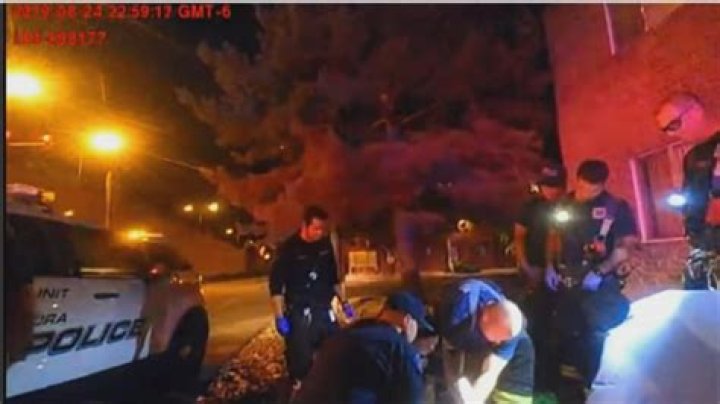
On August 24, 2019, Elijah McClain was walking home from a convenience store, donning a ski mask and enjoying music through his headphones. An individual passing by called 911 to report a “suspicious person” who was described as “flailing his arms around.” Three police officers, namely Nathan Woodyard, Jason Rosenblatt, and Randy Roedema, arrived at the scene and confronted McClain, who was unarmed and posed no threat. They instructed him to stop and physically engaged with him, despite his pleas that he was simply heading home and the fact that he was an introvert.
The officers asserted that McClain resisted arrest and attempted to grab one of their weapons, but body camera footage contradicted these claims. Instead, the footage showed McClain to be cooperative and polite, even expressing apologies and affection toward the officers. The footage further revealed that Woodyard employed a carotid hold, a chokehold that restricts blood flow to the brain, rendering McClain unconscious.
Subsequently, the officers summoned paramedics who, upon arrival, administered ketamine, a potent sedative, to McClain without conducting a thorough examination or obtaining his consent. The dosage was based on a significant overestimation of his weight, as it was sufficient to sedate a 220-pound man, while McClain’s actual weight was only 140 pounds. This led to McClain experiencing a cardiac arrest during transport to the hospital. Tragically, he was declared brain dead three days later, and life support was terminated on August 30, 2019.
How Did the Justice System Respond to Elijah McClain’s Demise?
Initially, the justice system failed to hold any individuals accountable for the death of Elijah McClain. The local district attorney, Dave Young, opted not to press criminal charges against the officers or paramedics, citing a lack of evidence to establish their actions as the cause of McClain’s death. The Aurora Police Department cleared the officers of any wrongdoing and allowed them to resume their duties.
However, following the murder of George Floyd in 2020, which ignited a global movement advocating for racial justice and police reform, the case of Elijah McClain gained national attention and triggered public outrage. Thousands of people signed petitions, participated in vigils, and demanded justice for McClain. Celebrities, activists, and lawmakers joined the cause, urging the authorities to reopen the case.
In response, Colorado Governor Jared Polis appointed the state attorney general, Phil Weiser, as a special prosecutor to investigate McClain’s death. Weiser convened a grand jury, which indicted the three officers and two paramedics on 32 counts, including manslaughter, criminally negligent homicide, and second-degree assault. The officers and paramedics entered not guilty pleas, and their trials commenced in September 2021.
The first trial, involving Rosenblatt and Roedema, resulted in a split verdict. Rosenblatt was acquitted of all charges, while Roedema was convicted of criminally negligent homicide and third-degree assault. The second trial, featuring Woodyard, ended in an acquittal on all charges. The third trial, encompassing the paramedics, Cooper and Cichuniec, is scheduled to begin in November 2021.
What is the Impact of Elijah McClain’s Story?
Elijah McClain’s story serves as a heart-wrenching illustration of how systemic racism and police brutality can lead to the loss of innocent lives. It underscores the urgent need for reforms within the realms of policing, healthcare, and the criminal justice system to prevent such tragedies from recurring. His narrative has galvanized numerous individuals to take action and advocate for change, not only in his memory but also for all victims of injustice and violence.
Elijah McClain’s story has resonated with many due to his kindness, compassion, and humanity. He was a gentle individual who found joy in playing the violin, volunteering at animal shelters, and bringing smiles to people’s faces. He was a son, a brother, and a friend who deserved a future filled with happiness and fulfillment. His memory remains cherished and revered by his family, his community, and those who support his cause.
Elijah McClain’s story continues to unfold, as his family and advocates persist in their pursuit of justice and accountability for his untimely passing. They also seek healing and solace in his memory. It is their hope that his story will not fade into oblivion but will instead inspire positive change and contribute to a more equitable world. Rest in peace, Elijah McClain.